Post
Reverse Collapse: Operation Bakery Review ⭐8.3
'Reverse Collapse' is the beginning and the latest story of 'Girls' Frontline'. 'Reverse Collapse: Code Name Bakery' was released on March 22nd. It is a story 30 years after 'Girls' Frontline' and a remake of 'Bakery Girl', the first work released by Sunborn Network Technology when it was a doujin team. In a way, it is the game that made 'Girls' Frontline' what it is today.
Since its domestic release in 2017, it has been a work related to 'Girls' Frontline', which has had a great influence on the subculture world, so it has attracted the attention of 덕후 since the announcement of the remake. However, the release was delayed several times, and as soon as it was released, the Steam rating suddenly became 'Mixed', encountering bad news.
To put it bluntly, 'Reverse Collapse: Code Name Bakery' is not a work that deserves to be rated as mixed. However, the composition is definitely divided, so it can be rated higher or lower. It will be necessary to take a closer look at what makes 'Reverse Collapse: Code Name Bakery' so divided and what kind of game it is.
장르명: SRPG
출시일: 2024.3.22
리뷰판: 1.0.1.3
서비스: XD
플랫폼: PC
플레이: PC
I understand it in my head, but the stealth-focused and not proactive combat doesn't resonate with me
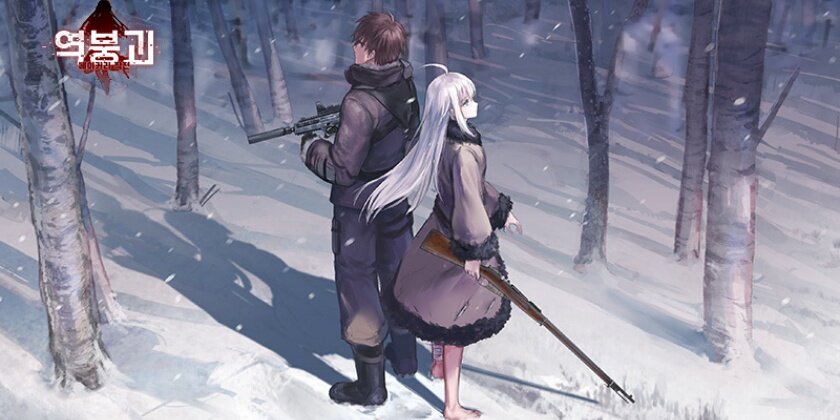
'Reverse Collapse' is a work that depicts the story that unfolds 30 years after Girls' Frontline, centered around the Caucasus region. If you are a Girls' Frontline fan, you will be familiar with the League of Luchsatia, that is, 'Luchren', and the conflict between the 'Antarctic Union', a new force that originated in Antarctica, and it deals with the materials of Collapse Fluid, complete immunity, and 'Ruins'.
The perception of users who encountered 'Reverse Collapse' for the first time is that these materials are depicted in the SRPG method, but if you are a user who played the demo version that was released before, you probably know. The word 'stealth' must be added before the keyword SRPG, as the proportion is so high.

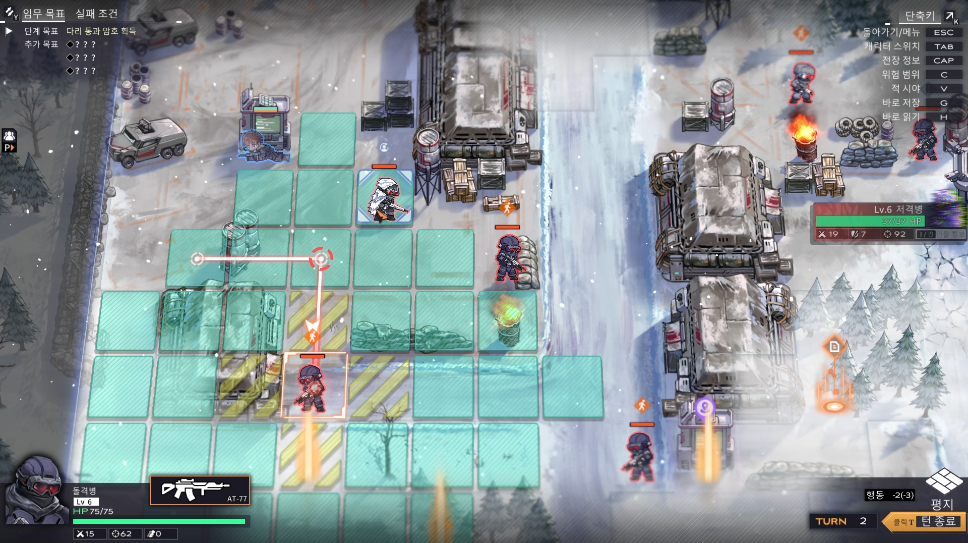
The context itself has already been appealed to since the demo version. To explain the simple context of Reverse Collapse, Mendo, a special agent of the Antarctic Union, struggles to escape to Antarctica safely with a test subject girl named 'Jefuty', codenamed 'Bakery'. Most of Mendo's colleagues die in an ambush by the Luchren army, and Mendo is almost killed, but he manages to survive and carry out the operation. Since many members of the unit have died and the enemies are bringing in tanks and various weapons, Mendo, Jefuty, and their colleagues choose to infiltrate and avoid combat as much as possible rather than engage in all-out war.

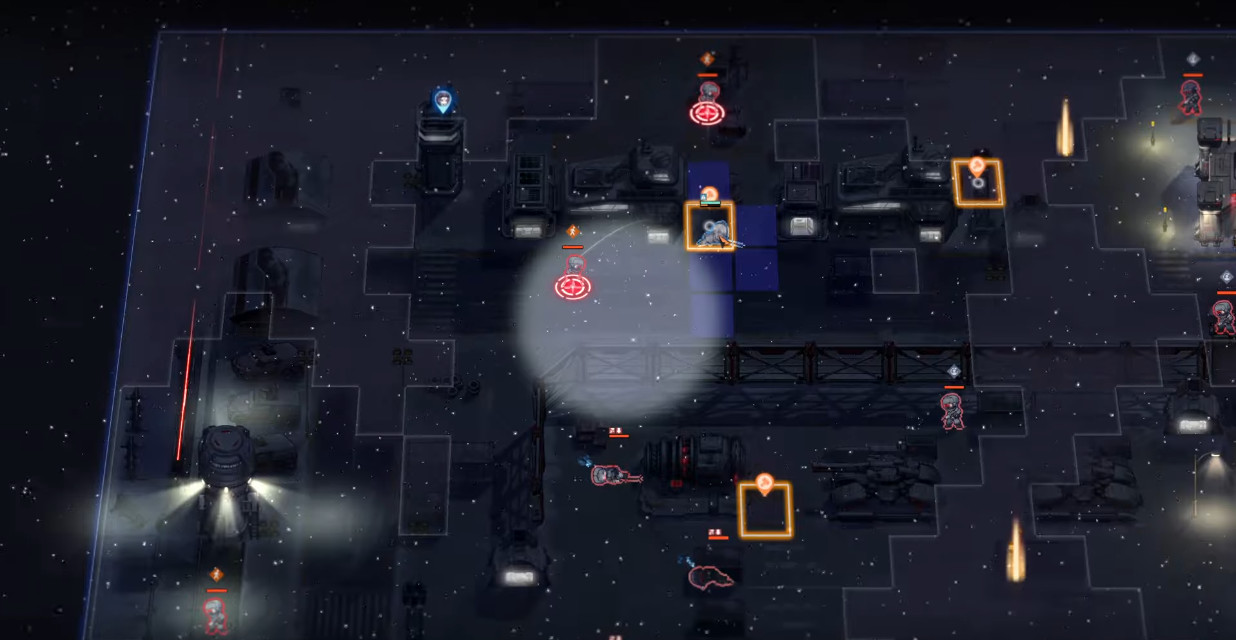
While adding the justification for the stealth mission to the story, it also clearly captured the unique thrill of walking on thin ice. The scene of crawling in 'stealth' mode to avoid being seen as much as possible and carefully advancing by finding gaps between the enemy's patrol routes was so tense that even though it was drawn in SD, I was sweating in my hands.
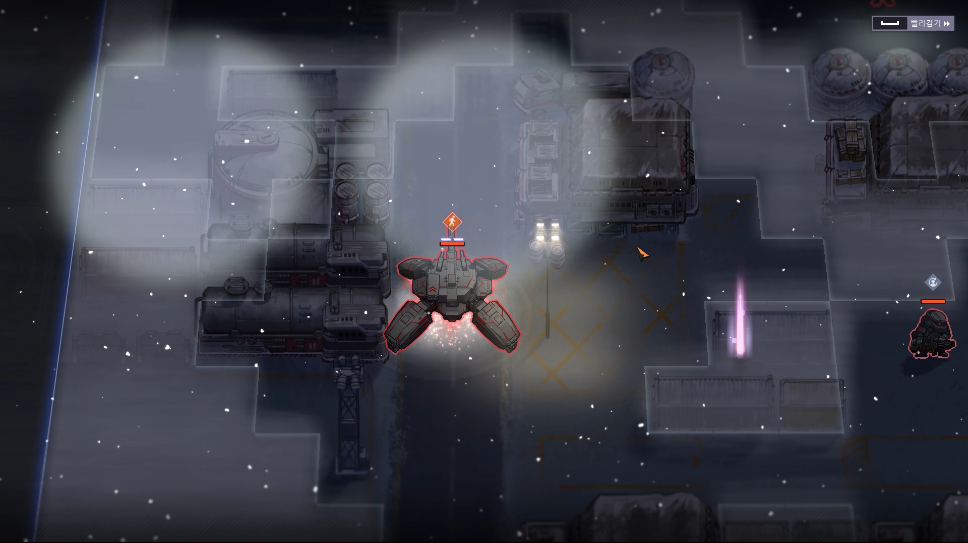
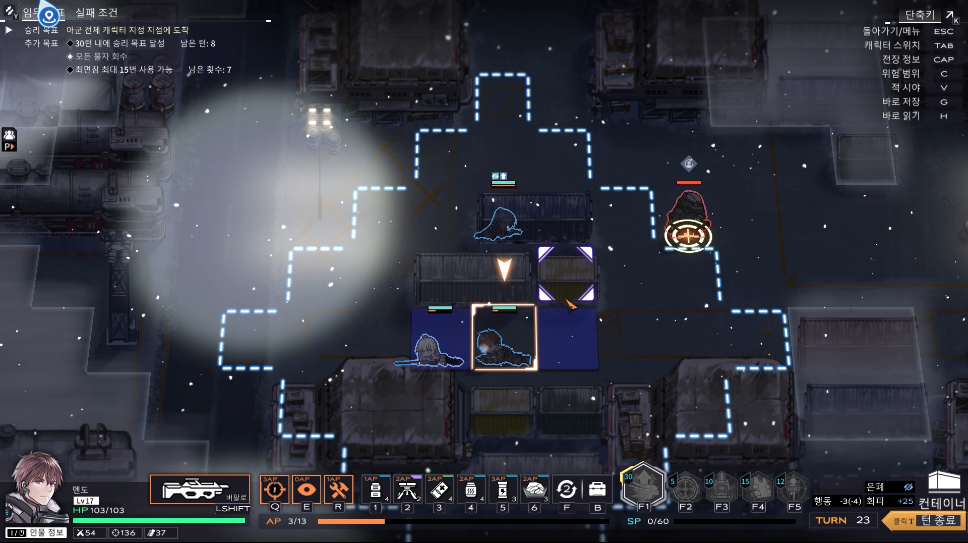
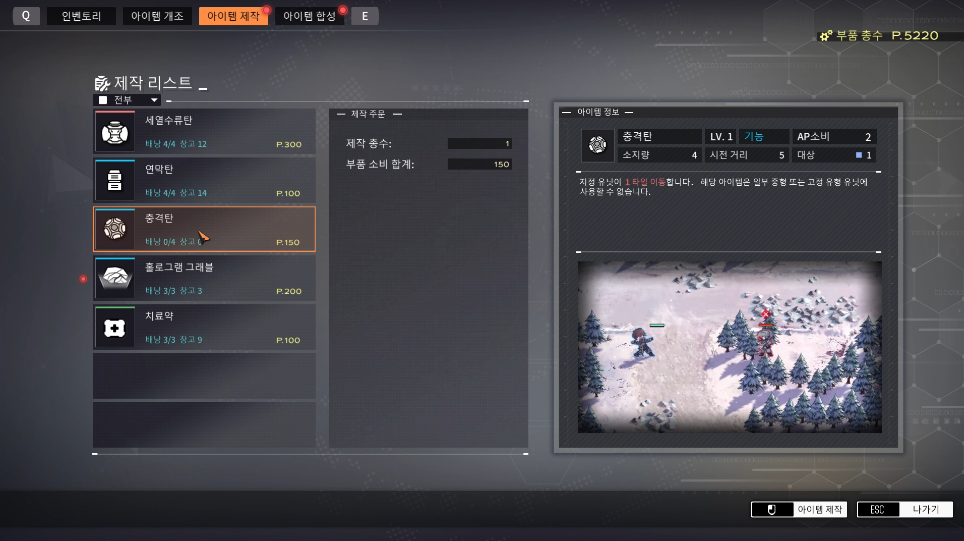
This is probably because it is not a simple structure that relies solely on sight and goes carefully, but because it captures the 'thrill' of modern stealth action in an SRPG style by gradually collecting information such as the enemy's field of vision and detection range with various detection assets. And the puzzle-like play is well-organized, with the action power and range required to obtain equipment that can cope with various gimmicks on-site and modify it calculated meticulously. There were definite means to break through the difficulties, such as secretly approaching and knocking out an enemy blocking the path with a hypnotic needle when they were out of the searchlight path, or using low-frequency transmitters or high-pitched grenades to lure them to the enemy side and opening up a detour by using the fact that infected people are sensitive to sound.

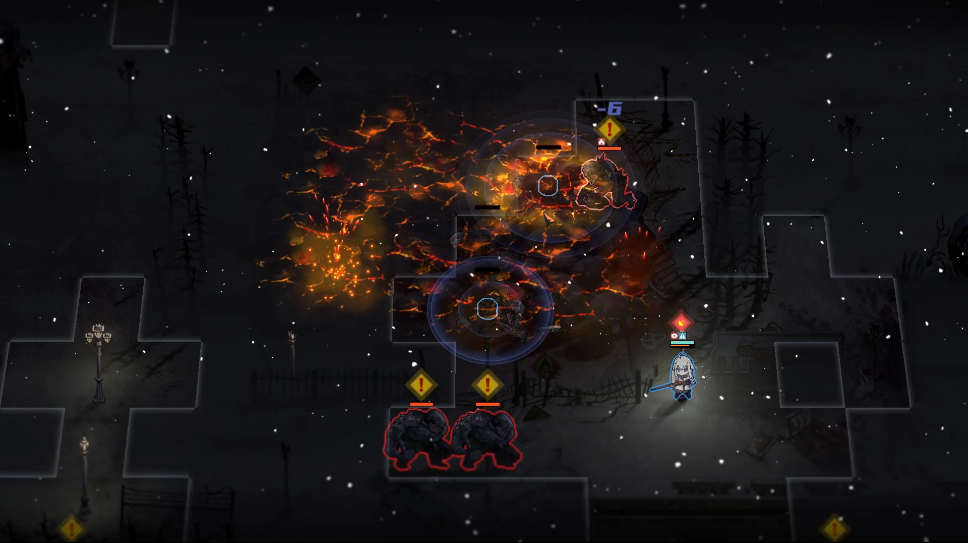
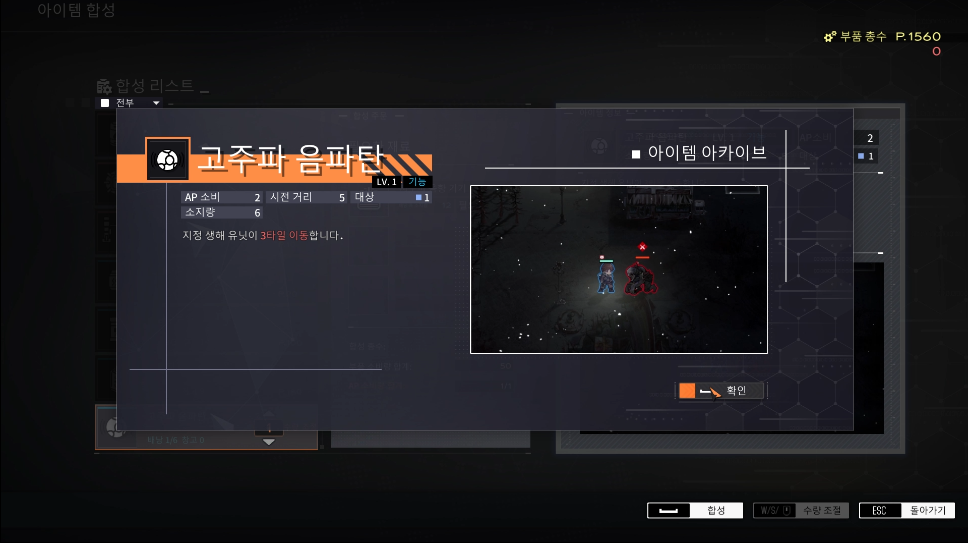
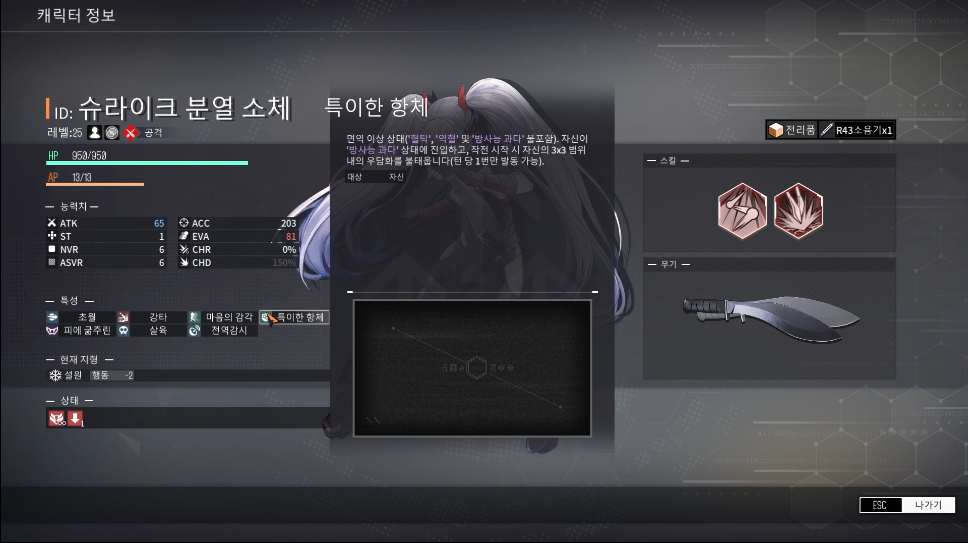
The problem is that the proportion is so high that the section where the abilities of the characters you have been developing shine comes very late. Even if you look at other SRPGs, there are stages where you play by actively utilizing surrounding elements or the environment and minimizing combat by avoiding the enemy's sight. It is a means to appeal to the taste of taking strategic moves different from combat. However, the core fun that you expect from SRPG is basically winning against a large number of enemies or difficult enemies by skillfully operating the characters you have trained.
Looking at the flow of the SRPG genre, the proportion of solving difficulties by making the most of the skills and characteristics of the characters you have trained, as well as the gimmicks of the map and the placement of enemies, is quite high. Of course, the detailed system is different for each game, but anyway, there is a taste of nurturing the character and trying it out here and there to devise strategic moves in order to somehow use the character's characteristics. However, such elements are difficult to highlight in the stealth missions and various combat missions that appear in the early stages of Reverse Collapse. Rather than the growth of the character or the understanding of skills, one move to move without being caught and equipment upgrades are more important.

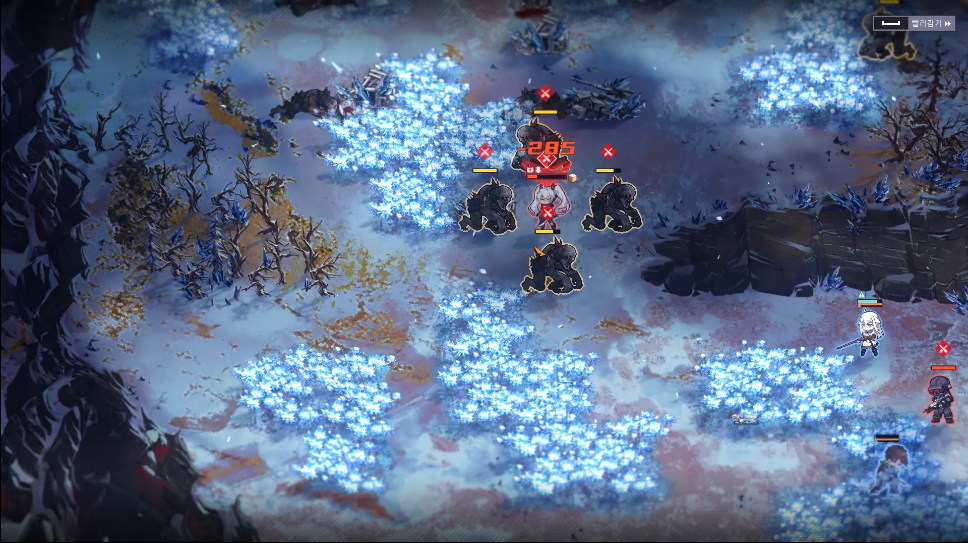
That's not to say that 'Reverse Collapse' has boring combat or is just a game where you avoid enemies without depth. The combat itself is also based on the XCOM-style cover and terrain, where probabilities are applied, which has been proven to be fun. In addition, the fun of having to mobilize all means, from skill combinations of various tricky enemies to various tools and arrangements to lure them to specific terrains, is certain.
For example, the 'Shrikes' that appear in some stages are entities that cannot be damaged by normal attacks unless they shoot blood bullets or burn the radiation-eating Udam flowers to erase the special effects. Therefore, before blood bullets are supplied, you must use the fact that they preferentially attack Jefuty, who is related to them. Usually, after moving Jefuty near the Udam flower, various measures are taken to minimize damage by adding Mendo's simple cover to the danger detection skill and installing barricades around the area to ensure that they are drawn to the area. It is quite complicated to successfully induce them and then burn the Udam flower with incendiary bullets and use all kinds of skills, grenades, and pre-installed RCWS to achieve a confirmed kill, but when you successfully achieve it, you can feel the reward of having built up the character well and steadily upgraded the equipment.
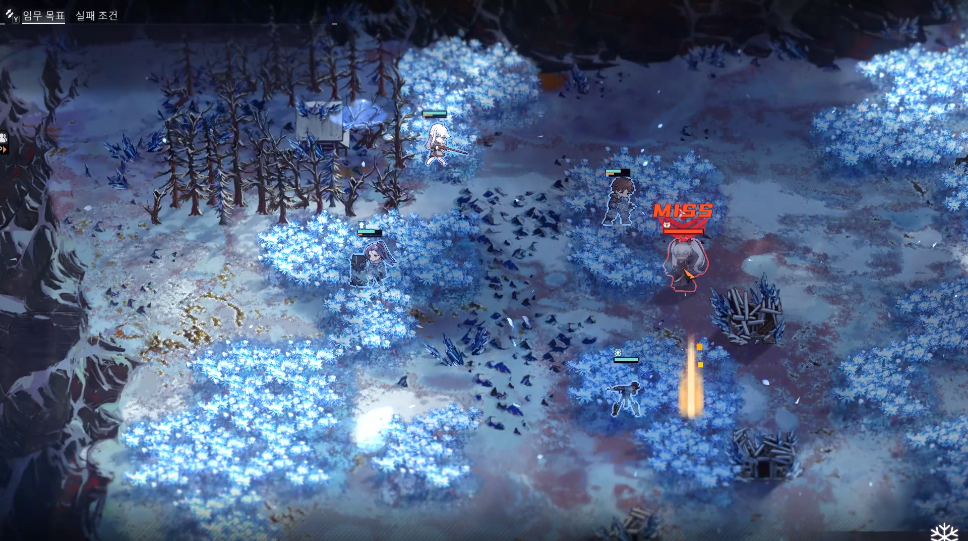
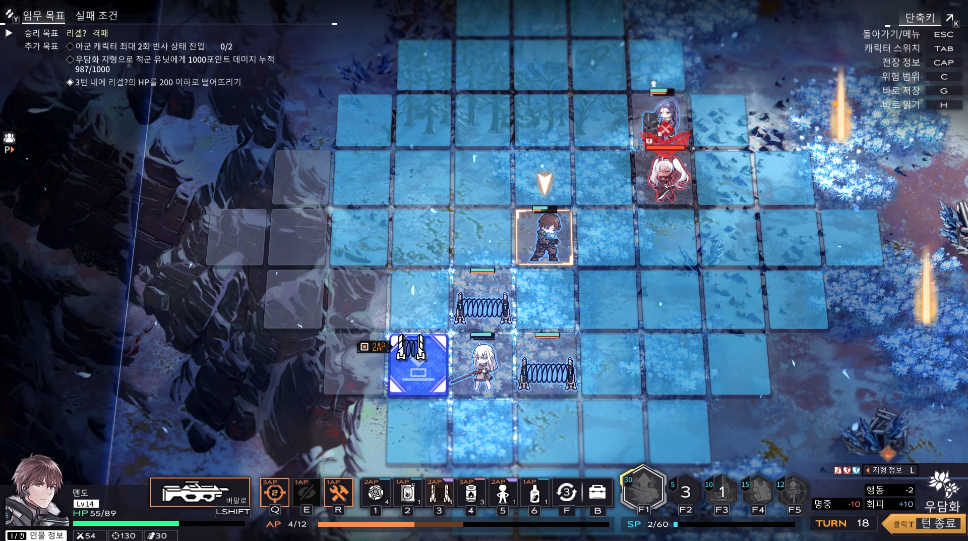

Or, there are missions in which you have to endure when you are surrounded by a large number of enemies. At that time, Mendo uses his indomitable traits and the firepower enhancement traits of the RCWS to hold out, while Jefuty snipes to get kills, and the taste of successfully leading the battle through skill utilization and role division of each character is also there. And the proportion of such battles becomes much higher as you go on. However, the problem is that the proportion is quite low in the early stages, and the proportion or length of the stealth missions is quite tiring, so the early combat experience does not leave a good impression.
Furthermore, even if you enter the battle after a long time, there is a bit of a proportion of enemies that users really cannot deal with, such as ELID infected people. It is strategically interesting to bypass them or lure them to the enemy. However, after having experienced a frustrating situation for a long time where the characters cannot deal with or fight the enemies with their own abilities, it is not very welcome to have to continue to think about such a passive direction in a situation where they can actively engage in combat. It is fun to actively devise your own strategy by researching various skill trees, traits, and the efficiency of each character's skill combination in SRPG, but it is a situation where you are forced to take only the best move that the developers have thought of in advance.
It's better if you know Girls' Frontline, but the gameplay and story are well-connected so you can delve into it even if you don't know it
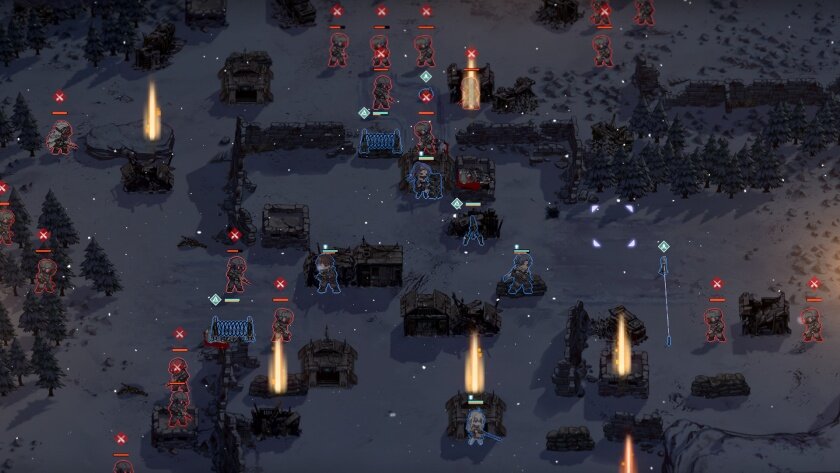
In a way, it may be a really frustrating composition, but the reason why you can understand it in context is simple. That's because the gameplay itself is a mechanism to imprint that Reverse Collapse is a 'loop' in which you repeat that desperate situation and find the best future.
In fact, Jefuty experiences death several times in the story, and each time, she transmits her memories to Jefuty in another timeline, ultimately finding a way for herself and her loved ones to live. At first, she can't break through the encirclement and eventually chooses to self-destruct, but based on the information she gained from trying several times, she approaches the center of the incident with her colleagues.
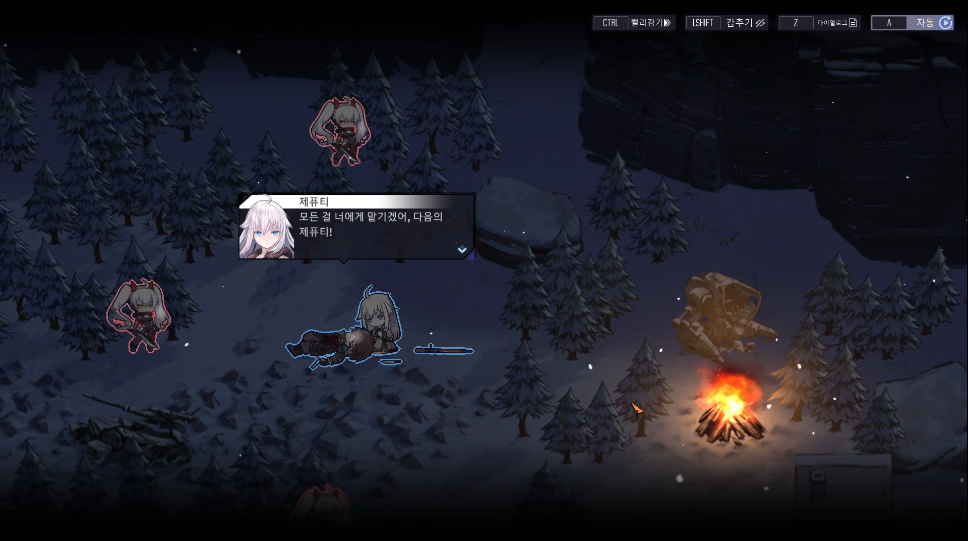


Recently, Chinese subculture games tend to spew out unique nouns that only they know, and even then, they just throw them out without context or say them in a strange way, so the story part may be a bit 불안. Especially if it is a game with a previous work, there is a burden that you have to know the context of the previous work. However, if you have played 'Girls' Frontline', you will know that it is good to know those unique nouns, and even if you don't know them, there is no big problem in understanding them in context. Unique nouns and settings to build an independent worldview are also mentioned in 'Girls' Frontline', but they do not rush to explain and unravel them. Rather, they have been more focused on giving immersion by unraveling it with a combination of a generally understandable story structure and gameplay that allows you to directly feel the difficulties faced by the main characters.
This trend is the same in 'Reverse Collapse'. From the beginning, various unique nouns such as ruins and the Three Goddesses Project appear, but they prevented the story from being disrupted by immediately presenting an easy-to-understand structure in which the main characters are carrying out a special operation to escape key figures. From then on, rather than dragging the story on and on, they immediately unraveled the structure of squeezing their heads to break through the enemy's encirclement into stages, creating a structure that allows you to sympathize with the situation the main character is in.
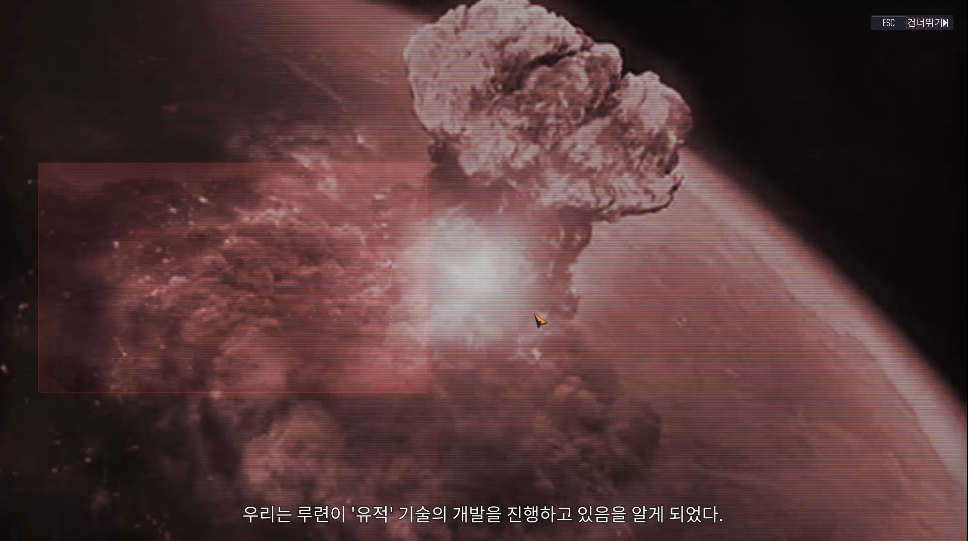
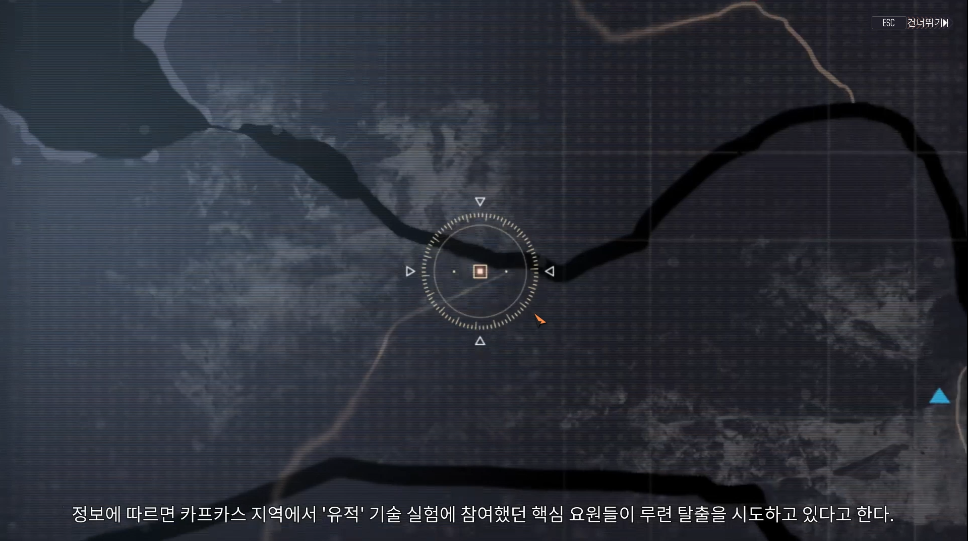
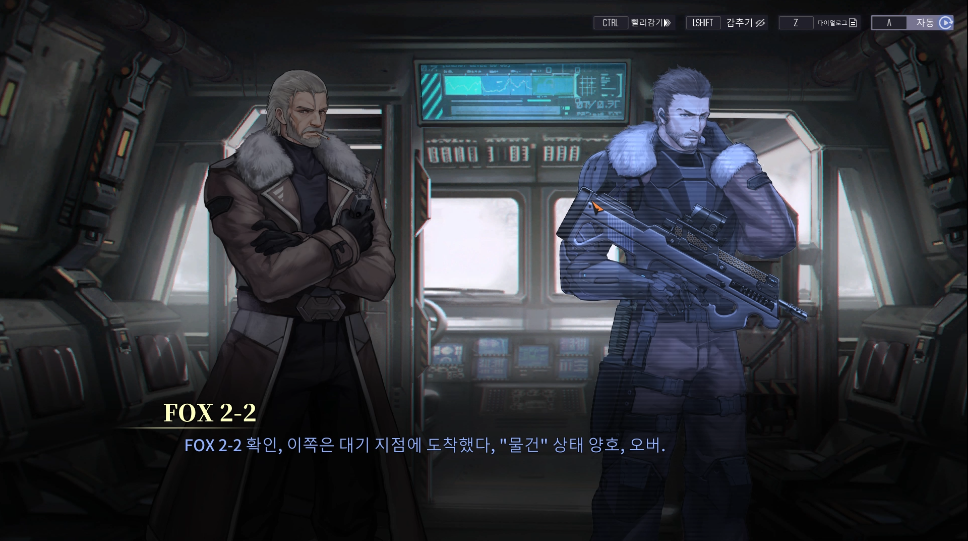
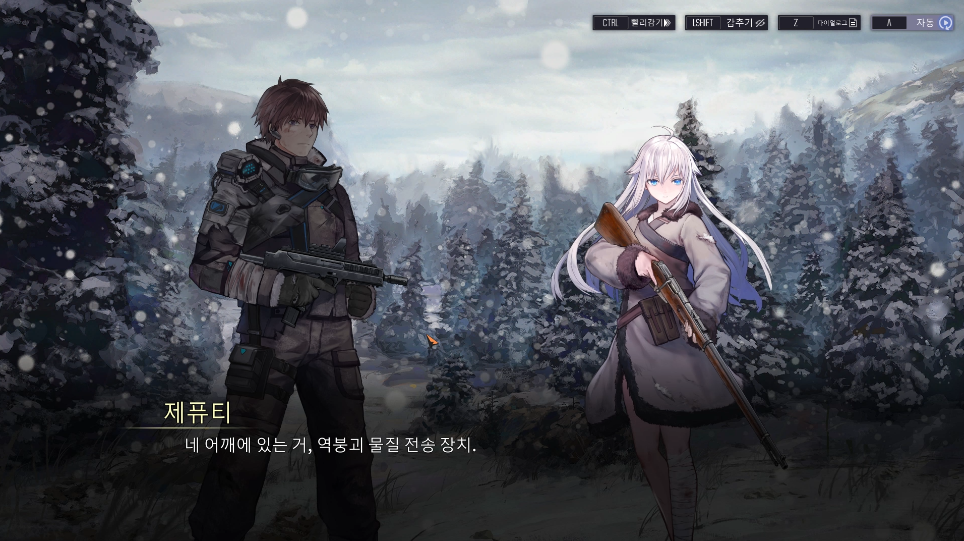
Of course, the side effect was that the combat that you expect from SRPG was pushed back a lot as a result of focusing on depicting the situation where the power was so asymmetrical that it was miserable. However, it was quite good when viewed as a device to present the story or situation directly and intuitively. It is because they created a structure in which users can directly experience the cliché boy meets girl structure, the miserable difficulties they experience, and the continuous failures to overcome them.
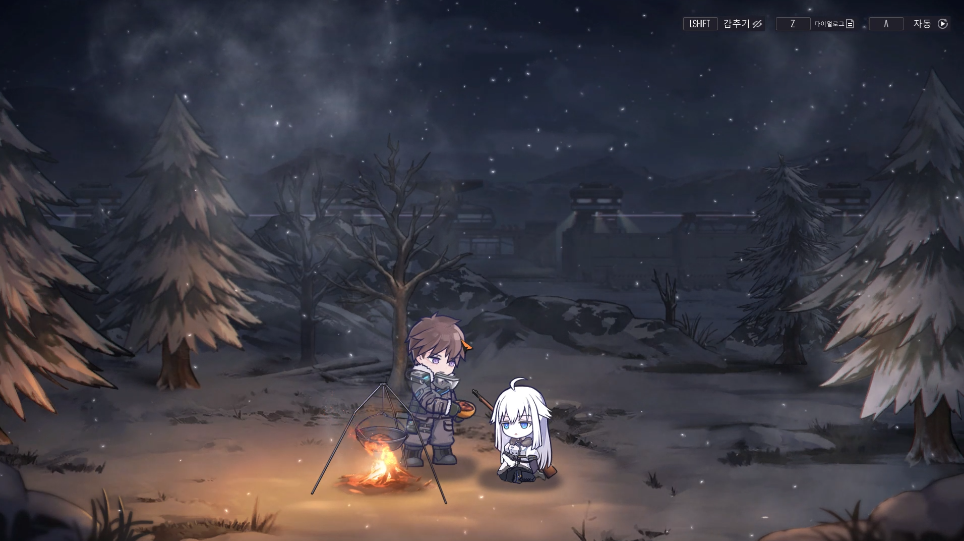
And what cannot be left out of that composition is the scene where the ordinary but somewhat hidden male protagonist struggles to not hold back the extraordinary heroine by squeezing out all sorts of means at first. The hidden detail of 'Reverse Collapse' is that the stages are designed so that you can experience such a structure in actual play. This is because the structure in which Mendo detains the enemy using various tools such as RCWS, booby traps, and grenades, and using the physical strength he has built up as a special forces member as an asset, while Jefuty suppresses the enemy, is produced through play.
Although there are limitations to the in-game production of SD, the natural movements and various productions, and the illustration cutscenes that have been built up since the 'Girls' Frontline' era are used in the middle to make the flow continue naturally. It is difficult to say that it is very excellent, but at least it can be said that the purpose of presenting the situation naturally without disrupting the flow has been achieved. And for users who did not know Girls' Frontline and want to know the events of that time or various terms, details such as being able to see the explanations of key words directly in the encyclopedia are noticeable, so that the flow of reading the story is not interrupted and continues.

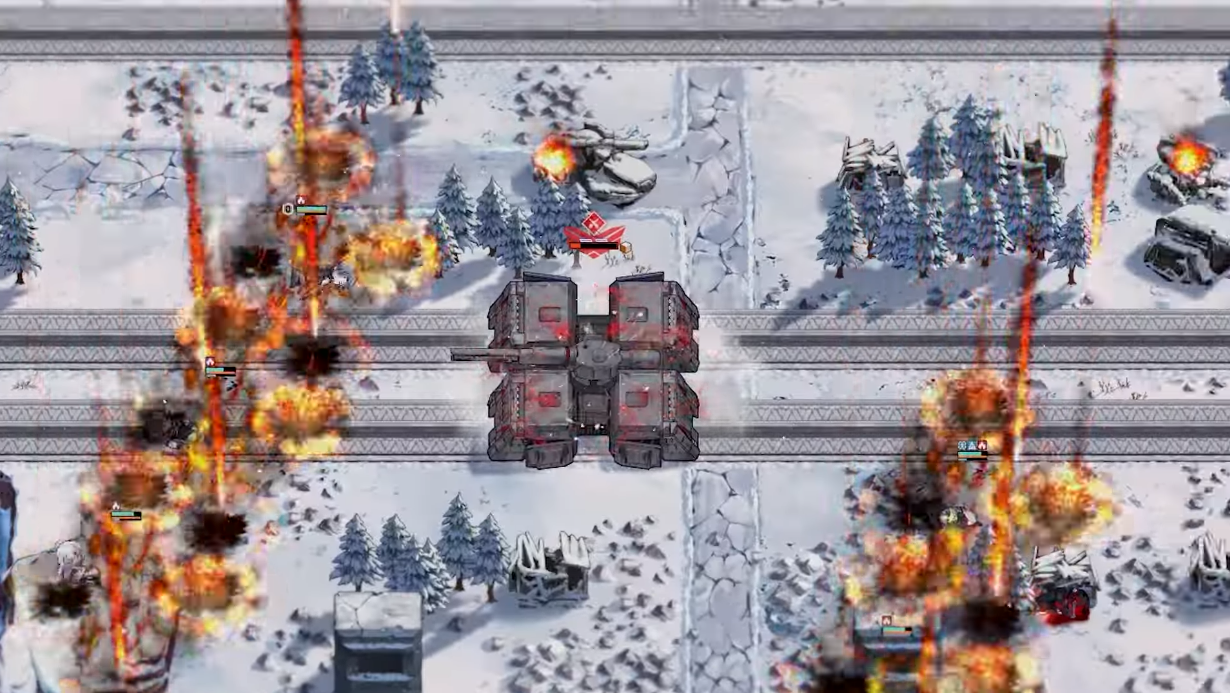

In this way, 'Reverse Collapse' is a way of releasing settings related to 'Girls' Frontline' little by little to whet the appetites of fans on a plate that is well-organized so that even those who do not know Girls' Frontline can understand it. Tactical dolls such as Betty, who is familiar to Girls' Frontline fans as IDWdanya, appear right away, and even 'William', the root of all evil in Girls' Frontline, is plotting in the shadows, so if you get over those early hurdles, it will come right in. Girls' Frontline 2 has not yet been released in Korea, but from the perspective of having played 'Girls' Frontline 2' released in China, there were many situations where I was curious about what happened after that.
For Girls' Frontline fans who are hesitant because of Reverse Collapse's Steam rating, William is still alive and well, and is plotting all kinds of evil deeds. In order to stop the conspiracy, if you struggle miserably this time as well, the memories of suffering so much in Girls' Frontline and Girls' Frontline 2 and grinding your teeth will be vivid. As a reward for the hardship, I wonder if William, who lost one arm to a tactical doll, will be able to get his just deserts this time, and you should check the results yourself.
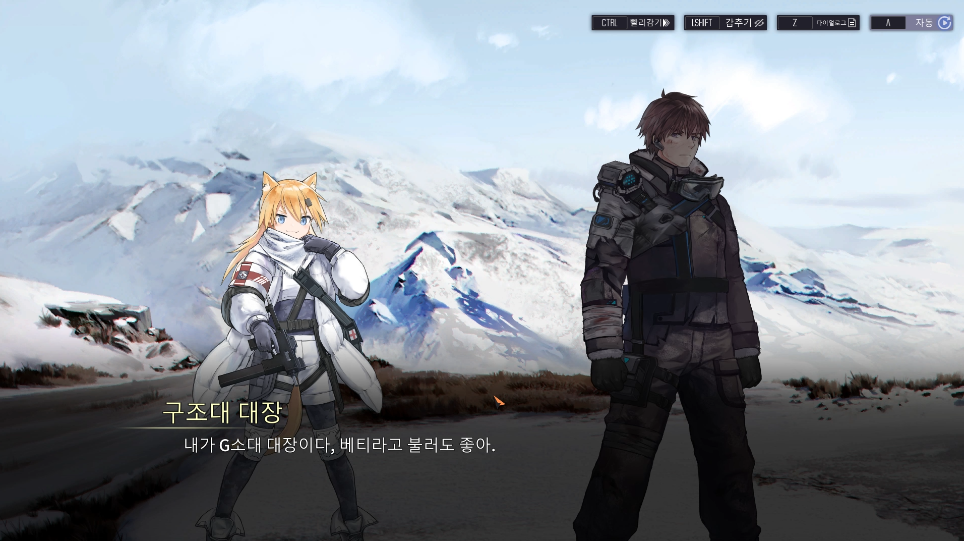
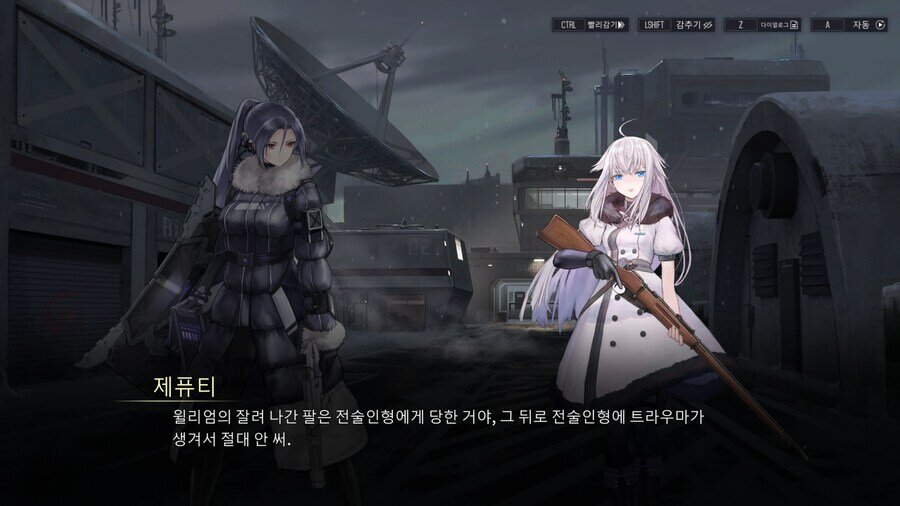
A journey to find the best future through repeated challenges, 'Reverse Collapse'
'Reverse Collapse' can be said to be a game that contains the 'philosophy' of Sunborn Network Technology that has continued since the Mika Team era. Looking back, 'Girls' Frontline' was introduced as 'gun moe-hwa' when it first came in, but as it went on, the hardcoreness of breaking through the wall of lamentation with various unconventional plays that made the most of the limits of control and the system was more emphasized. Looking back on the memories of 거지런, 빨봉런, 천국런, 퇴각컨 and 와리가리, I think there were few mobile games that depicted a story of fighting so desperately before Girls' Frontline by rolling SD characters to this extent in in-game play.
The core of 'Reverse Collapse', which deals with the period 30 years after that and is a remake of the Mika Team's first work, is the same. It is because it expressed the story of people who want to survive by making the most of available means in a situation where various unreasonable gimmicks and overwhelming combat power differences are combined with XCOM-style probability through desperate gameplay. In addition, the story unraveled in a time-loop style matches the play pattern in which users actually repeat failures and somehow clear it, so even if you don't know Girls' Frontline, you can immerse yourself in the story.
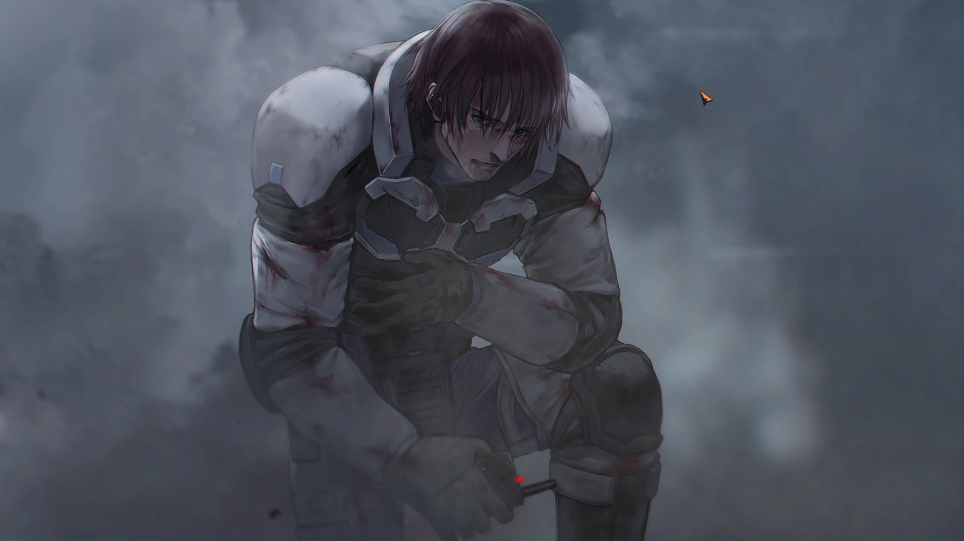
You can evaluate it that way if you focus on the process of unraveling the story, but the fun is halved the moment you focus on the gameplay you expect from SRPG, which is the current situation of 'Reverse Collapse'. There are elements to nurture the character and make various equipment, but the section where you solve the puzzles made by the developers is too long rather than the section where you properly use the nurtured character. If you keep thinking about finding the fixed answer, there is a risk that the charm and ability of the character will be pushed back, and there is a possibility that a chain reaction will occur that will reduce the motivation to continue watching the story.
The developers seem to be aware of this, and they are constantly supplementing it by easing the so-called stealth gate section so that it can be solved with combat or by creating a fast track. Even if you change it that way, the level design is such that you can't feel the growth much in the early stages, so it's not easy to come up with a structure where you actively engage in guerrilla warfare and break through with the skills and equipment you've built up so far. To put it a bit harshly, rather than being stressed out by the 'mission failed' message popping up as soon as you get caught, it's like they've given you a spider web to give you hope torture, or even a sliver of possibility that you might succeed.
It is comforting that from the moment you have grown to some extent in the later stages, it shows the composition of a classic SRPG that carefully and gradually smashes the enemies by considering the range, tools, and skill range. So, there are possibilities to solve the stealth missions in that section with combat.
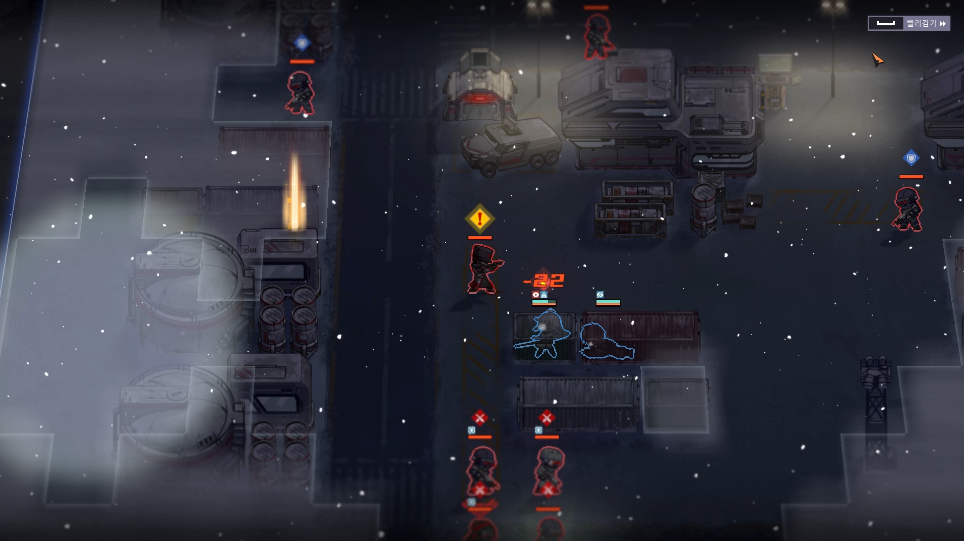
However, the fact that the contents that 'Reverse Collapse' wanted to say are pushed back because of these things is not a good phenomenon in itself. Furthermore, these mistakes are not the only things that happened in 'Reverse Collapse'. Similar things have happened in 'Girls' Frontline' and 'Girls' Frontline 2'. It was good to design it so that users could directly experience the hardships that the main characters would experience through gameplay, but the composition that revived the trauma of wanting to leave or escape because it was too much was repeated this time as well.
The Steam rating of 'Reverse Collapse' is naturally difficult to be good because it stimulated such trauma and showed the fun expected from the genre itself too late. Anyway, it is a work that shows the beginning and future of the 'Girls' Frontline' IP, so the evaluation of the fandom will have a significant impact, but it has made the mistake of simply pouring out the parts that were excessive while doing the 'Girls' Frontline' series, even though it is a single package game. It's not just a matter of 'difficulty', but the problem is that the rigid structure, where users are forced to move only according to the developers' intentions rather than playing actively, is the majority, so it has become a spicy taste without umami. In addition, the Korean version has translation problems, so the immersion in the story is relatively low, and even some mission conditions are translated incorrectly, so even that spicy taste cannot be fully enjoyed.
However, 'Reverse Collapse' after overcoming that crisis is clearly different. The fun of SRPG, where you desperately fight enemies by making the most of various gimmicks, skills, and character traits, is definitely captured. The completeness that you can enjoy it as it is even if you don't know 'Girls' Frontline' is certain, and if you know 'Girls' Frontline', there is enough motivation to make you run somehow to see the ending from the moment you pass a certain point. It is a pity that I wish I had brought that point forward a little, but anyway, 'Reverse Collapse' is definitely a work with details and core as a hardcore SRPG. However, it is a work that expresses the process of repeating failures and finding the best future with your whole body, so each game is quite long and tiring, so rather than approaching it lightly as a new work of Girls' Frontline, you need to brace yourself. In addition, since the translation and various issues have not been completely resolved yet, I recommend waiting a little longer and experiencing it after it has been further improved.

- The thrill of narrowly escaping with meticulous calculations
- Combat that overcomes disadvantages with various gimmicks and strategies
- Production that creates solemnity and urgency even with SD
- Convenience of repeated challenges implemented according to the theme
- Is it SRPG or stealth action, that is the question
- Early stages focused only on reading the game rather than nurturing characters
- The story of the later stages, which lacks momentum
웹진 인벤윤서호 기자
2024-04-05